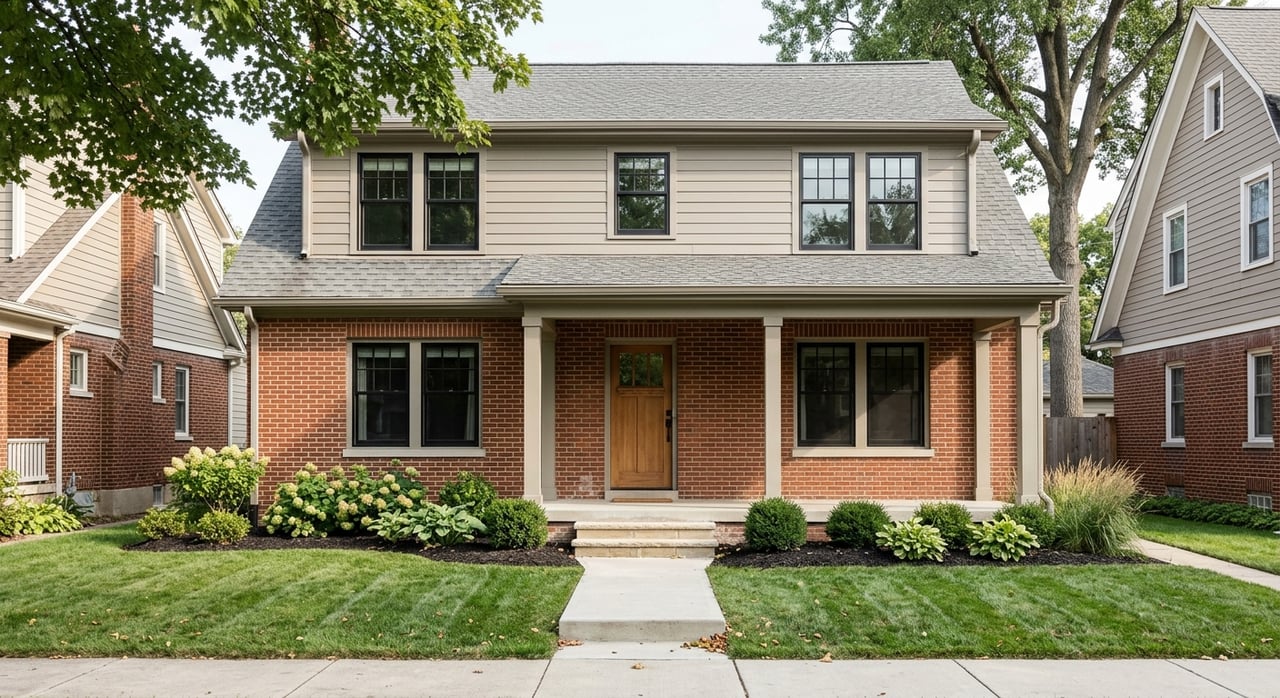
If you want a neighborhood with real character, Historic St. Charles near the riverfront stands out right away. You are not just choosing a place with older buildings and pretty streets. You are choosing a part of the city where daily life, local history, walkable outings, and riverfront access all come together. If you are wondering what it is actually like to live here, this guide will help you picture the lifestyle, housing choices, and practical details that matter most. Let’s dive in.
Why the riverfront feels central
Historic St. Charles is closely tied to the Missouri River, and that connection shapes the area in a very real way. The city notes that St. Charles has been welcoming visitors since 1769, that Lewis and Clark departed from St. Charles in 1804, and that it served as Missouri’s first state capital from 1821 to 1826.
That history is not tucked away in a museum-only setting. The riverfront and Main Street form the historic core of the city itself, which gives the area a sense of place that feels established and active rather than staged. If you live nearby, you are close to one of the most recognizable and historically rooted parts of St. Charles.
Main Street living in Historic St. Charles
Main Street is one of the clearest reasons buyers are drawn to this part of town. It is described as a brick-lined, nationally registered historic district with preserved buildings, more than 25 restaurants, shops, and evening gaslights that add to the setting.
For many people, that translates into a lifestyle that feels more walkable and connected than a typical car-oriented neighborhood. Instead of driving across town for every outing, you may have dining, shopping, and seasonal events close enough to enjoy more casually.
Frontier Park adds another layer to that experience. Sitting directly next to Main Street, the 16-acre park offers river views and gives the neighborhood open space that feels woven into everyday life. With hours from dawn to midnight and free parking nearby, it functions as more than a special-occasion stop.
Everyday convenience near the riverfront
One of the biggest strengths of living near Historic St. Charles is that the area offers both charm and utility. You are not just paying for atmosphere. You are getting a district where errands, dining, outdoor time, and community events can all happen within a compact area.
The Main Street market helps show that daily rhythm. It runs on Saturdays from April 25 through November 28 between Clark and Adams Streets, with local produce, baked goods, crafts, and live music. The market information also notes that nearby attractions are within walking distance, which reinforces how connected the district feels.
The city calendar highlights recurring events such as Main Street in Bloom and the Mothers Day Market. That matters because it shows the area stays active well beyond one holiday season. If you like neighborhoods that feel alive through much of the year, this is a meaningful advantage.
Outdoor access and trail connections
If you value easy recreation, the riverfront area checks an important box. Frontier Park serves as a city trailhead for the Katy Trail, and the park includes fishing, hiking, biking, picnic shelters, restrooms, a paved hike and bike trail, and a 15-foot Lewis and Clark statue.
That gives you options for a quick walk, a longer ride, or a relaxed afternoon by the river without needing to plan a full day around it. For buyers who want outdoor access built into their routine, that can be a major reason to focus on this part of St. Charles.
The city is also investing in connectivity around the historic core. Its highlighted projects include reconstruction of the Riverwalk and Katy Trail segment from the Foundry Art Centre to Interstate 70, with separated pedestrian and bicycle paths, ADA crossings, and improvements through Frontier Park. In practical terms, that points to continued attention on how people move through the area on foot and by bike.
What the social calendar means for residents
Historic St. Charles has a strong seasonal identity, and that can be a big part of its appeal. Riverfest takes place in Frontier Park near Main Street and includes a parade, live music, food and drinks, children’s activities, a carnival, fireworks, and a drone show in 2026.
The holiday season also has a strong presence. Christmas Traditions is scheduled from November 27 through December 24 in 2026, with opening-day festivities plus Fridays, Saturdays, Sundays, and Wednesday A Christmas Carol programming. The event page says Main Street becomes a Dickensian winter wonderland during the festival.
Fall brings more activity as well. Legends & Lanterns is presented as a free Halloween-history festival in October, and Frontier Park also hosts events such as Festival of the Little Hills and Oktoberfest.
For residents, this creates a neighborhood that can feel festive and social across multiple seasons. It also means you should expect periods of heavier traffic, larger crowds, and more event-driven parking demand at certain times of year. For some buyers, that energy is part of the draw. For others, it is simply something to plan around.
Housing choices near Historic St. Charles
If you are thinking about living near the riverfront, it helps to understand that St. Charles offers more than one kind of residential experience. The historic core tends to appeal to buyers who want older homes, established surroundings, and a stronger sense of place.
The city has a significant preservation footprint, with 26 individual landmarks and 6 historic districts containing more than 3,000 properties. These include South Main, Historic Downtown, Frenchtown, The Commons, the Landmarks District, and the Extended Historic Preservation District.
That level of preservation can be a real benefit if you appreciate architectural character and streetscapes that feel consistent over time. At the same time, it comes with practical considerations that buyers and sellers should understand early.
Historic district rules to know
In St. Charles historic districts, certain exterior changes may require Landmarks Board approval. The city says that work such as windows, doors, siding, porches, demolition, new construction, and fences can fall under that review process.
For buyers, this means a historic home may offer a lot of charm but also more oversight than a home in a standard subdivision. For sellers, it means preparation and documentation can matter when discussing updates or improvements made to the property.
This is not necessarily a negative. Many homeowners see preservation standards as part of what protects the character of the area. The key is knowing what to expect so you can make informed decisions before you buy, update, or list a home.
How the area compares with newer options
Historic St. Charles is not the only walkable or mixed-use setting in the city, which makes comparison especially useful if you are still narrowing down your priorities. The city’s bike and pedestrian master plan notes that many neighborhoods built in the last 60 years were designed primarily for cars and have fewer destinations within walking distance.
That same planning document identifies New Town and the Streets of St. Charles as the city’s two new urbanist developments. New Town is described as a residential area with a mixed-use town center designed to be walkable. The Streets of St. Charles is described as a mixed-use district with dining, shopping, nightlife, entertainment, hotels, and apartments located less than one mile from Historic St. Charles.
If you love brick streets, preserved buildings, and a long-established setting, the historic riverfront area may feel like the right fit. If you prefer a newer planned environment with mixed-use convenience, these other districts may also be worth considering. The good news is that you do not have to choose between character and access, because several of these options remain close to the same broader riverfront core.
What local housing data suggests
Current Census QuickFacts show that St. Charles has a population of 72,458, an owner-occupied housing rate of 68.0%, a median owner-occupied home value of $298,700, and a median gross rent of $1,186.
Those figures point to a city with a strong homeownership base and a housing market that includes both owners and renters. For you as a buyer or seller, that means Historic St. Charles sits within a broader local market that supports a range of housing needs and life stages.
Is Historic St. Charles right for you?
Living in Historic St. Charles near the riverfront can be a great fit if you want more than square footage alone. This area offers a blend of walkable amenities, riverfront recreation, year-round events, and neighborhood identity that is hard to duplicate in newer suburban settings.
It can be especially appealing if you enjoy older homes, established streets, and a setting where local shops, restaurants, markets, and trails are part of regular life. At the same time, it helps to be realistic about preservation guidelines, event-related traffic, and the rhythm of living near one of the city’s busiest gathering places.
If you are comparing neighborhoods, preparing to sell, or trying to decide whether the historic core fits your next chapter, the best move is to look at both lifestyle and logistics. That kind of clear planning helps you make a confident decision and protect your equity along the way.
If you want honest guidance on buying or selling in St. Charles, Bonni Galbally can help you navigate the details with clarity, strategy, and a calm plan.
FAQs
What is it like living near Historic Main Street in St. Charles?
- Living near Historic Main Street means being close to shops, more than 25 restaurants, seasonal events, Frontier Park, and the riverfront in a compact, walkable setting.
What outdoor activities are available near the St. Charles riverfront?
- Frontier Park offers river views, fishing, hiking, biking, picnic shelters, restrooms, and access to the Katy Trail trailhead.
What events take place near Historic St. Charles and Frontier Park?
- Annual events in or near the area include Riverfest, Christmas Traditions, Legends & Lanterns, Festival of the Little Hills, Oktoberfest, and the Main Street market season.
What should homebuyers know about St. Charles historic districts?
- In certain historic districts, exterior changes such as windows, doors, siding, porches, fences, demolition, and some new construction may require Landmarks Board approval.
How does Historic St. Charles compare with New Town and the Streets of St. Charles?
- Historic St. Charles offers older homes, preserved buildings, brick streets, and a strong sense of place, while New Town and the Streets of St. Charles offer newer walkable or mixed-use environments close to the same broader area.